

.png)


Volunteer tourism has a reputation problem. Not because the idea is flawed, but because the execution has been inconsistent enough that the whole sector is now under a level of scrutiny it has never faced before.
Orphanage projects have been widely criticised for incentivising child separation from families. Wildlife volunteering has come under fire for interactions that prioritise the visitor experience over animal welfare. Short-term placements with no clear objectives have been called out for doing little beyond making participants feel useful for a fortnight.
That criticism is largely fair. And it is shaping how the market is moving.
The buyers are paying attention
Access to the European and North American volunteer tourism market runs almost entirely through specialist operators, volunteer travel companies, youth travel organisations and educational travel platforms. These intermediaries build their reputation on the quality and ethics of the programmes they list. When a programme attracts negative press, it is their brand that takes the hit.
The result is that buyers have become considerably more selective. Detailed safeguarding policies, transparent cost breakdowns, documented project objectives and evidence of community involvement are no longer nice to have. They are the baseline for getting listed at all.
Destinations and operators that built their model on the older, looser version of voluntourism, short placements, minimal supervision, vague outcomes, are finding it harder to access these channels. Those that can demonstrate genuine community grounding are finding more doors open than before.
.jpg)
Who is actually travelling
The largest segment is 18 to 34-year-olds. Gap-year students, university students and early-career professionals looking for structured overseas experience that also carries some professional or personal development value. They are not naive about what they are doing. They research programmes carefully, read reviews, and ask direct questions about where their programme fees actually go.
A second segment is growing quietly and is often overlooked: post-family travellers aged 50 and over, combining volunteering with broader cultural travel. They tend to stay longer, spend more and bring professional skills that are genuinely useful to many programmes.
Both groups expect structure. Supervision frameworks, clear role descriptions, pre-arrival preparation and honest reporting on what the project has achieved. The romantic idea of turning up and being useful is no longer enough.
The question of impact
This is where many programmes are still weakest, and where the market is increasingly demanding.
Saying a programme supports community development is not evidence of anything. What operators, volunteers and increasingly donors and grant-making bodies want to see is specific: how many people were trained, what conservation data was collected, how local employment was protected, what changed.
Building simple monitoring into a programme from the start is not complicated. A log of activities completed, feedback from community partners, a brief summary of outcomes at the end of each cohort. None of that requires a dedicated evaluation team. But it produces the kind of documentation that builds credibility over time and gives buyers something concrete to put in front of their own customers.
The programmes gaining the most traction in European markets right now are the ones that can show their workings. Not perfectly, but honestly.
Volunteers complement, not replace
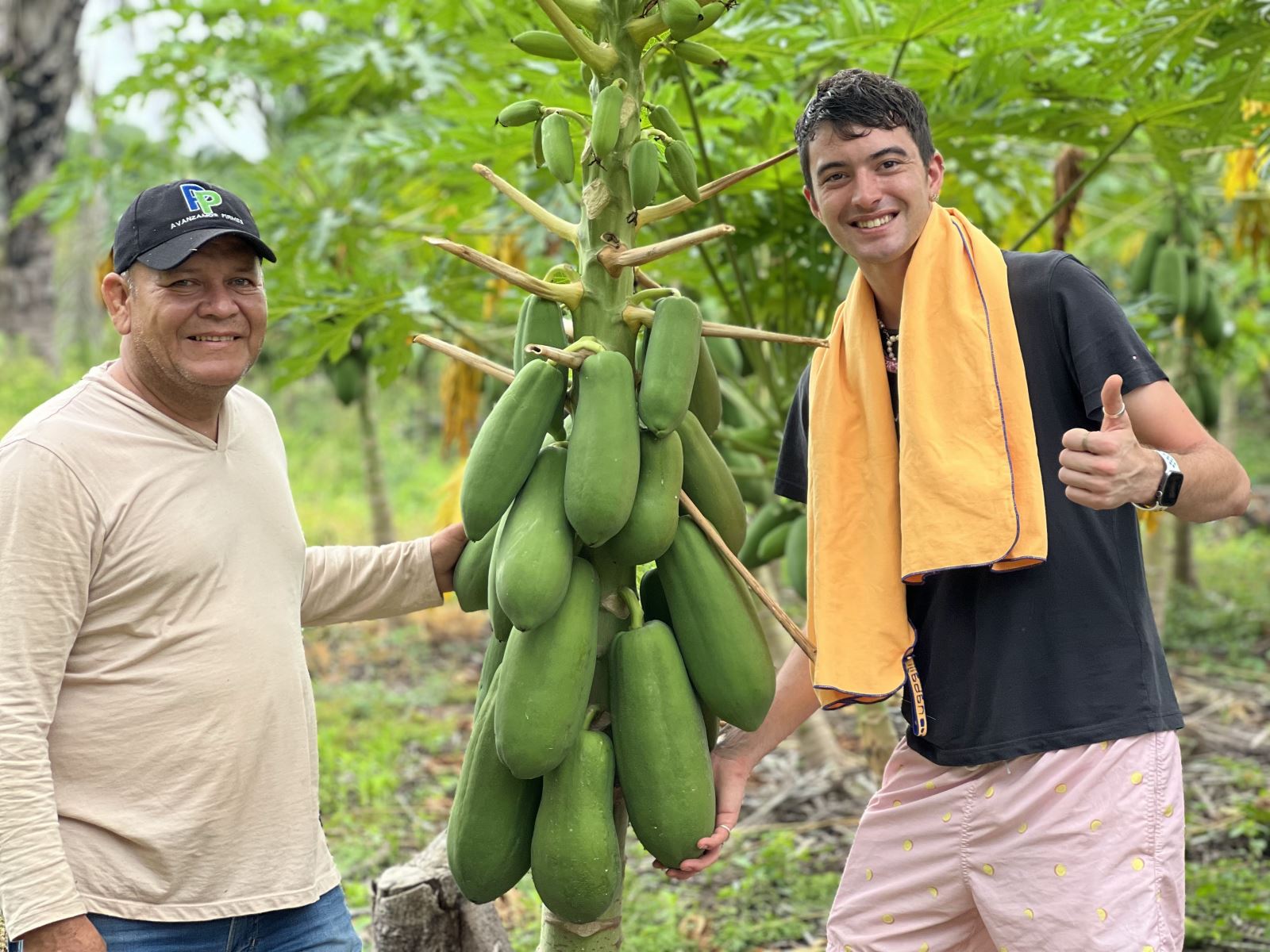
One of the most common structural problems in volunteer tourism is that programmes, sometimes unintentionally, displace local workers. A construction project staffed by volunteers who have no relevant skills, where local tradespeople would have been employed, is not community development. It is the opposite.
Designing a programme so that volunteers genuinely add something, skills that are not locally available, capacity that frees up community members for other priorities, resources that would not otherwise exist, requires more thought upfront. But it is also what distinguishes programmes that communities actually want from those that communities tolerate because they bring in income.
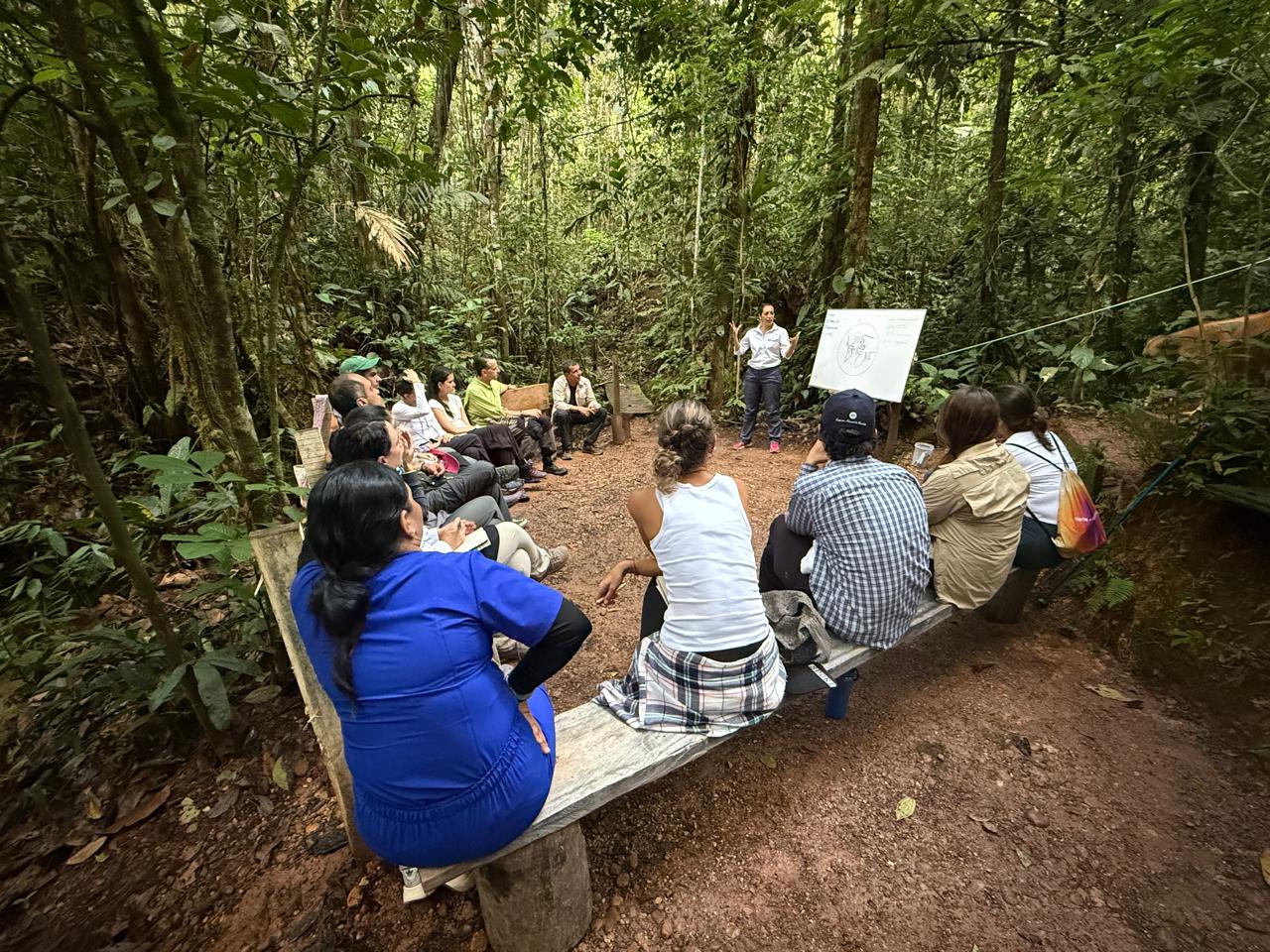
The best programmes we have seen treat this as a design question rather than an afterthought. What is the community trying to achieve? What does it need to get there? Where does an outside volunteer fit into that, and where do they not?
The opportunity is real
Despite all of this, volunteer tourism remains a significant and growing market. European source markets, the UK, Germany, France, the Netherlands, Scandinavia, have strong traditions of structured volunteering and a growing appetite for travel that goes beyond leisure tourism in the conventional sense. North America adds further volume through youth, faith-based and educational networks.
For destinations and SMEs in developing countries, the opportunity is genuine. This is particularly true for communities that are still in the early stages of product development. Volunteer tourists tend to have lower expectations around facilities and services — simple accommodation and local food are not a compromise for them; they are part of the experience. A community whose tourism offer is not yet polished is not automatically at a disadvantage. If anything, that simplicity can be the draw, provided the community can identify tasks where outside volunteers genuinely add something useful.
But whether early-stage or established, it requires treating the programme as a product: professionally designed, operationally managed, ethically grounded and commercially presented.
The destinations gaining ground are not the ones with the most dramatic landscapes or the most compelling causes. They are the ones that have done the harder work of building something credible and can prove it.
If you are working on volunteer or educational tourism product development and want to understand the market in more detail, our Volunteer and Educational Tourism Trade and Export Guide is available to download. Or get in touch with our team directly at nicole@acorntourism.co.uk
Related

A comprehensive market research study into the Volunteer and Educational tourism market and how it is positioned within the broader global tourism industry.
Specialist niche market report on Volunteering in sub-Saharan Africa, providing a market profile of volunteering tourism, the most common destinations and volunteering experiences, and summarises a range of tour operator profiles and business models.
Comments
Nobody has commented on this post yet, why not send us your thoughts and be the first?

