

.png)


There is a lot of talk about slow tourism right now. Travel media covers it, sustainability frameworks reference it, and more destinations are starting to ask whether it belongs in their strategy.
But for many businesses and destination managers, the concept still feels a little abstract. Slowing down sounds appealing in theory. In practice, it is not always clear where to start.
The good news is that slow tourism is not a product category or a niche market segment. It is a way of thinking about how visitors experience a place and that makes it much more flexible than many people assume.
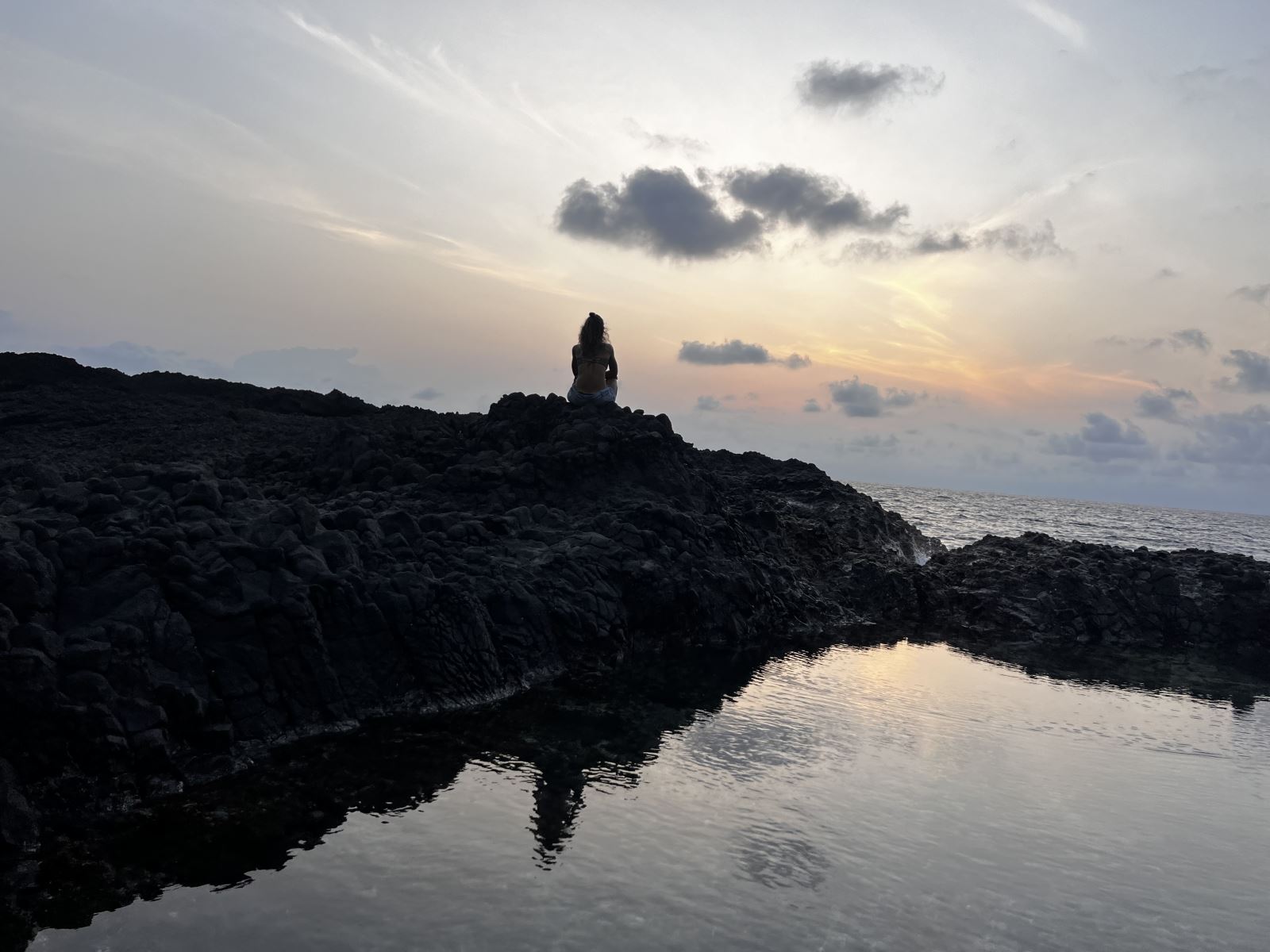
It starts with a different question
Most tourism planning begins with the same question: how do we attract more visitors?Slow tourism asks something different: how do we create more value from each visit?
That shift matters. When the goal is volume, destinations compete on price, reach and awareness. When the goal is value, the conversation changes. What makes this place different? What can visitors do here that they genuinely cannot do anywhere else? What would make someone want to stay longer?
Those questions often lead somewhere more interesting and more commercially useful than another marketing campaign.
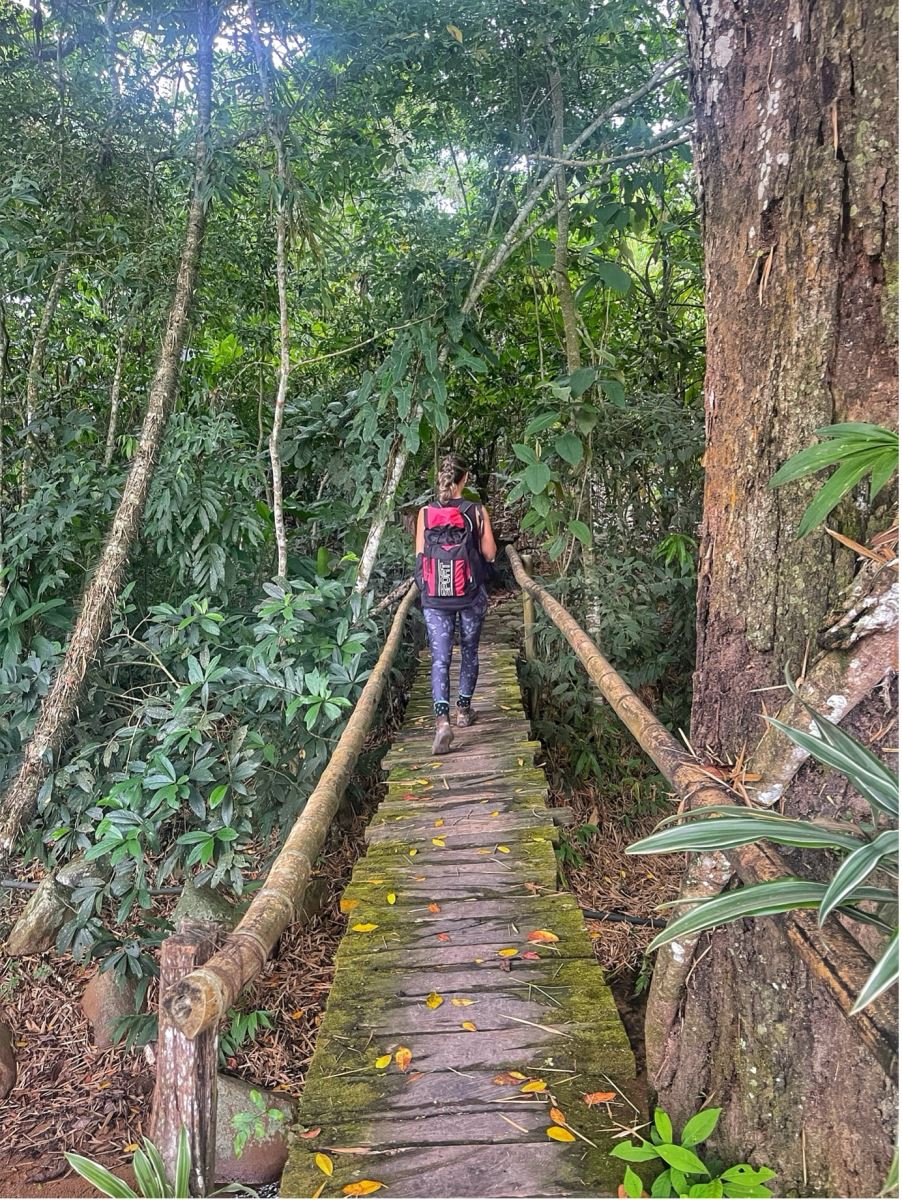
The assets are usually already there
One pattern we see repeatedly in our work is that destinations underestimate what they already have.
Local food traditions, working farms, community knowledge, crafts, landscapes that have not been packaged yet, these are often exactly the things slow travellers are looking for. Not because they are exotic, but because they are real.
The most effective slow tourism experiences we have seen are not built from scratch. They are built by looking differently at what exists. A farming family that already hosts occasional visitors becomes a structured agritourism experience. A local guide who knows the landscape becomes a core part of an itinerary rather than an optional extra. A community story that has never been told to visitors becomes a reason to stay another night.
None of that requires major investment. It requires attention and a willingness to take what is already there seriously.
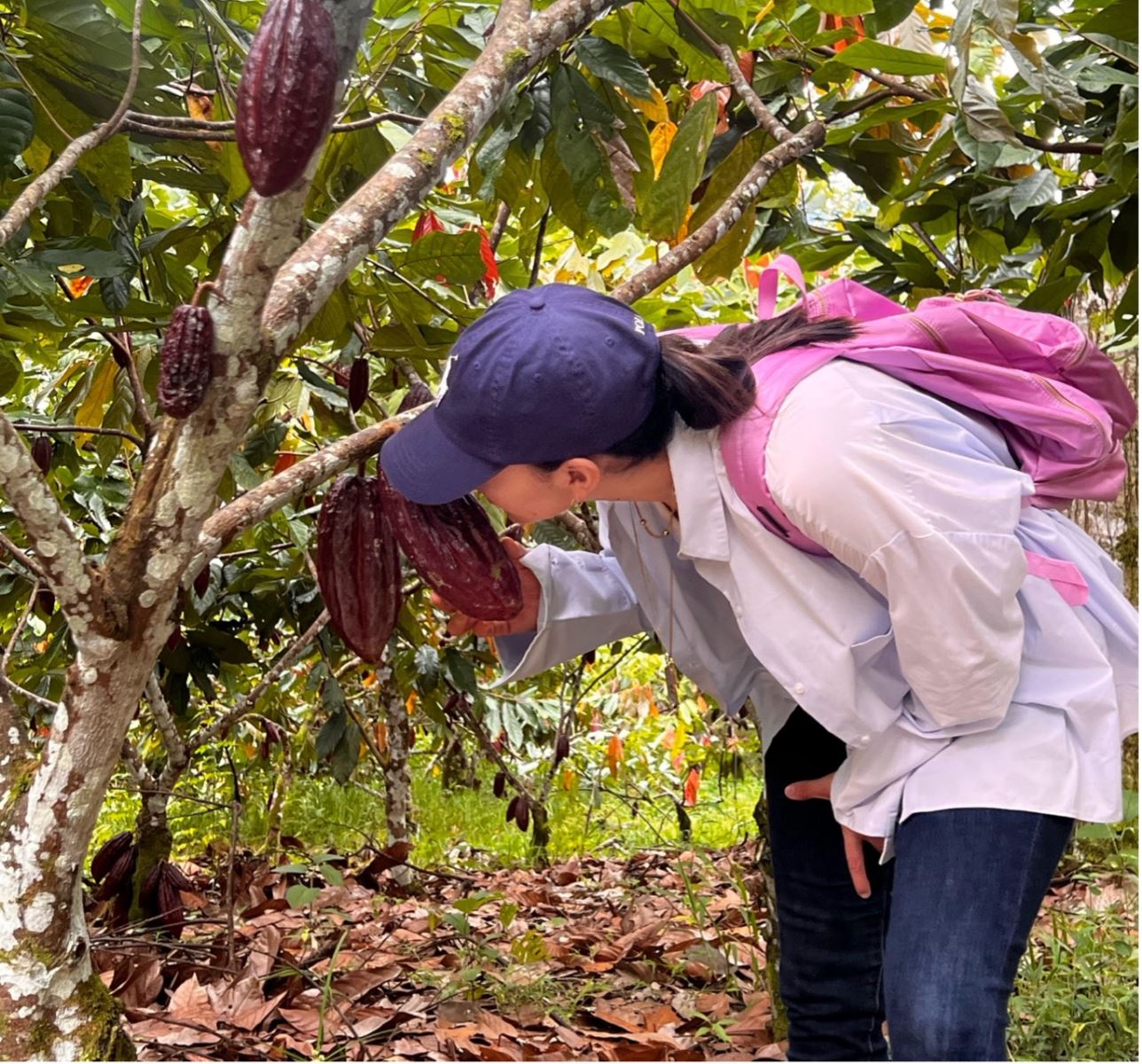
Longer stays change the economics
One of the most tangible arguments for slow tourism is a straightforward one: visitors who stay longer spend more. Not just on accommodation; On food, local transport, markets, activities, repeat visits to places they liked. The kind of spending that circulates through a local economy rather than leaving through a national hotel chain.
A traveller who spends four nights in one place and walks the same streets more than once behaves very differently from someone moving through on a two-night stop. They find the quieter restaurant. They buy from the market stall rather than the gift shop. They talk to people.
Designing itineraries with fewer locations and more time in each one is not just a philosophical choice. It has a direct effect on where visitor spending goes.
The role of local people
Infrastructure and attractions get most of the investment in tourism development. People often get much less. Yet in our experience, local people are frequently what visitors remember most. A conversation with a farmer. A cooking session with someone who has made the same dish for forty years. A walk with a guide who grew up in the landscape they are describing.
Slow tourism creates space for those interactions. Not as staged performances, but as genuine exchanges, which is precisely why they are difficult to replicate and why visitors value them.
Identifying those people and finding ways to bring them into the visitor experience is one of the highest-return things a destination or tourism business can do.
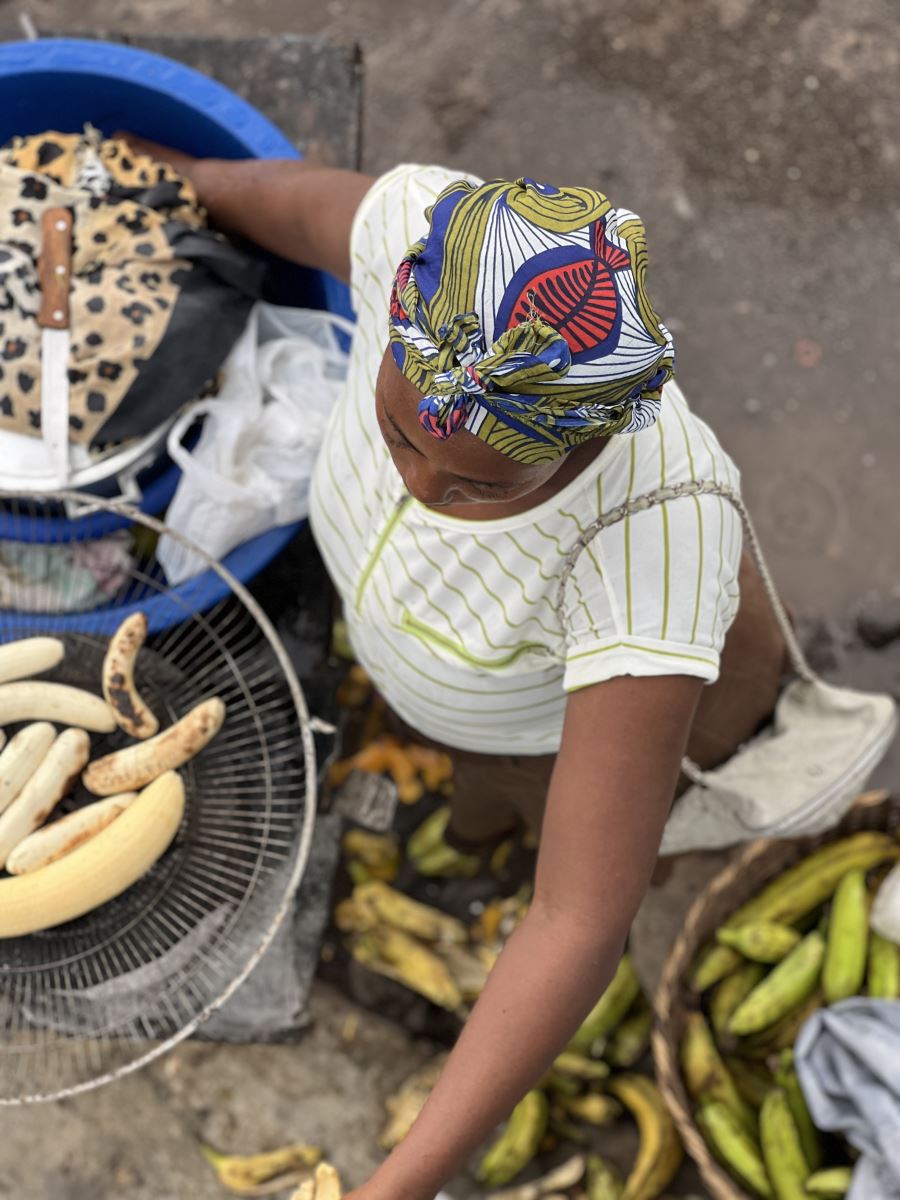
Small changes, real impact
Destinations that do this well rarely transformed overnight. What we see more often is a series of deliberate adjustments that, together, shift how a place feels to visit.
Adding a local supplier to an existing itinerary. Extending the recommended stay by one night. Building in time for something unplanned. Telling the story behind a product rather than just selling it.
These changes are not complicated. But they signal something to visitors: that this place has thought about the experience, not just the logistics.
That signal travels. It shows up in reviews, in repeat visits and in the kind of word of mouth that no marketing budget can easily buy.
What this means in practice
Slow tourism is not about doing less. It is about being more intentional about what visitors do, who they meet, how long they stay and what they take away.
For destinations working on product development, it is worth asking whether the experiences you are building give visitors a reason to stay an extra night, a reason to come back, or a reason to tell someone else. If the answer is no, that is usually where the work begins.
If you are working on tourism product development and want to explore how slow tourism principles can strengthen your offer, we would be glad to talk. Get in touch with our team at nicole@acorntourism.co.uk
Related
Comments
Nobody has commented on this post yet, why not send us your thoughts and be the first?

